2020 Mercedes-Benz G-Class Towing and Payload Capacity
- Max towing7,000 lbsG 550 4WD
- Max payload1,060 lbsall trims
- Best towing setup4.0L V8 turbo, 4WD
- Towing range6,500–7,000 lbs2 trims
- GVWR6,614–7,055 lbs
- Hitch for max towClass 32-inch receiver
Towing capacity for the 2020 Mercedes-Benz G-Class runs from 6,500 to 7,000 lbs when properly equipped. The top rating belongs to the G 550 4WD with the 4.0L V8 turbo. Payload peaks at 1,060 lbs.
Towing and Payload Capacity
The Mercedes-Benz G-Class tows up to 7,000 lbs when properly equipped, a rating reached by the G 550 4WD; across trims the tow ratings run 6,500–7,000 lbs. The 2020 Mercedes-Benz G-Class payload capacity is 1,060 lbs on every trim with a published figure. Occupants, cargo, gear, and tongue weight (roughly 10–15% of trailer weight) all share that number — confirm on the door-jamb label. Power comes from one engine, the 4.0L V8 turbo (577 hp @ 6,000, 627 lb-ft @ 2,500) with a 9-speed shiftable automatic. It is standard on G 550 4WD and AMG G 63 4WD.
| Spec | Rating |
|---|---|
| Engine | 4.0L V8 turbo |
| Power | 577 hp @ 6,000, 627 lb-ft @ 2,500 |
| Transmission | 9-speed shiftable automatic |
| Drivetrain | 4WD |
| Max towing capacity | 6,500–7,000 lbs |
| Payload capacity | 1,060 lbs |
| Max GVWR | 7,055 lbs |
| Lightest curb weight | 5,554 lbs |
How Tongue Weight Uses Up Payload
Tongue weight (about 10–15% of trailer weight) counts against payload. Worked example: hitch a 7,000-lb trailer to the G 550 4WD and the tongue puts about 700–1,050 lbs on the hitch. That comes out of its 1,060 lbs payload, leaving roughly 10 lbs for people and cargo.
GVWR (gross vehicle weight rating) is the most the loaded G 550 4WD may weigh — 6,614 lbs here. Curb weight is 5,554 lbs; rated payload is 1,060 lbs. People, cargo, tongue weight, and accessories all count against that payload — confirm the door-jamb label.
Full Trim-by-Trim Ratings
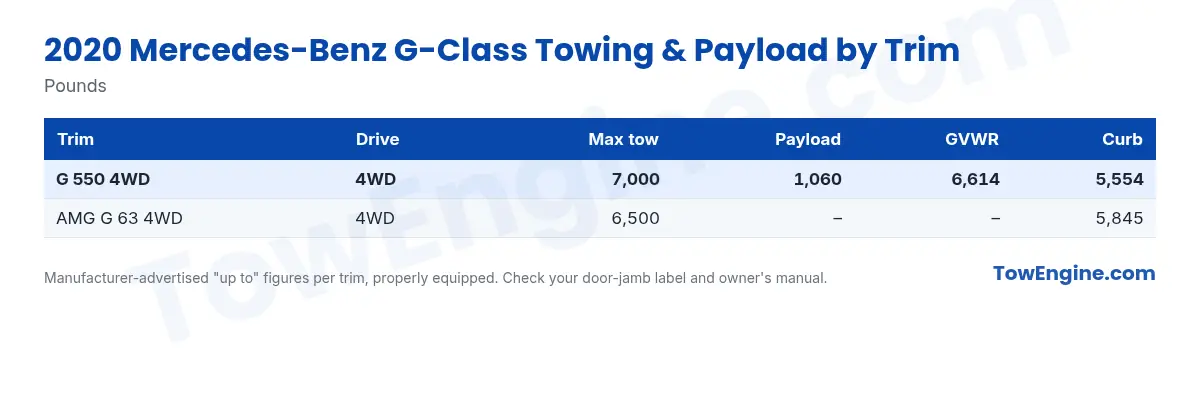
Across the 2 rated trims, ratings run from 6,500 lbs on the AMG G 63 4WD to 7,000 lbs on the G 550 4WD.
| Trim | Drive | Engine | Power | Max towing capacity | Payload capacity | GVWR | Curb weight |
|---|---|---|---|---|---|---|---|
| G 550 4WD | 4WD | 4.0L V8 turbo | 416 hp | 7,000 | 1,060 | 6,614 | 5,554 |
| AMG G 63 4WD | 4WD | 4.0L V8 turbo | 577 hp | 6,500 | Not listed† | 7,055 | 5,845 |
All weights in lbs. Each row is the trim's best published rating; "—" means no published figure. † Not listed: no published towing or payload figure for that trim (not the same as cannot tow).
Wheelbase, Fuel and Other Towing Specs
Wheelbase runs 113.8 in, the tank holds 26.4 gallons and EPA highway economy is 15–17 mpg (expect far less with a trailer).
A longer wheelbase is steadier with a trailer behind it; at 114 in, this one sits on the short side, so keep trailers light and balanced. Towing often halves fuel economy, so the 26.4-gallon tank means more frequent stops.
| Spec | Range across trims |
|---|---|
| Wheelbase | 113.8 in |
| Overall length | 191.7–191.9 in |
| Fuel tank | 26.4 gal |
| EPA city | 13 mpg |
| EPA highway | 15–17 mpg |
| Seating | 5 seats |
| Ground clearance | 9.5 in |
| Overall height | 77.4–77.5 in |
| Body width (no mirrors) | 74.5–78.1 in |
| Width with mirrors | 86.1 in |
| Turning circle | 44.3–44.6 ft |
Off-Road Angles and Clearance
Approach angle 31°, departure angle 30° and breakover angle 26°. Rated wading depth is up to 28 in. Departure angle drops once a receiver and ball mount hang off the back, which matters on boat ramps and steep driveways.
| Angle / depth | Range across trims |
|---|---|
| Approach angle | 31° |
| Departure angle | 30° |
| Breakover angle | 26° |
| Wading depth | 27.6 in |
Engine and Chassis Specifications
Engine Specifications
The 4.0L V8 turbo (engine code M 176.980 / M 177.980) is twin-turbocharged, with direct injection, a compression ratio of 10.5:1 / 8.6:1 and 83.0 × 92.0 mm bore and stroke. Plan on roughly 10.0 quarts of oil (0W-30, 5W-30, 0W-40 grade) at each change. Frequent towing is treated as severe duty by most makers, so check the shorter service schedule in the owner's manual.
| Spec | 4.0L V8 turbo |
|---|---|
| Engine code | M 176.980 / M 177.980 |
| Layout | V8, twin-turbo |
| Displacement | 3,982 cc |
| Bore × stroke | 83.0 × 92.0 mm |
| Compression ratio | 10.5:1 / 8.6:1 |
| Fuel system | Direct injection |
| Valvetrain | DOHC |
| Engine oil capacity | 10.0 qt |
| Oil viscosity | 0W-30, 5W-30, 0W-40 |
| 0–60 mph (approx.) | 4.5–5.6 sec |
Chassis, Suspension, Brakes and Tires
The front suspension is double wishbones and the rear is solid axle. Brakes are vented discs in front and vented discs at the rear. Factory tire sizes run from 275/55R19 to 275/50R20. For heavy trailers, run the tire pressures listed on the door placard for a full load.
| Component | Details |
|---|---|
| Front suspension | Double wishbones |
| Rear suspension | Solid axle |
| Front brakes | Vented discs |
| Rear brakes | Vented discs |
| Steering | Rack and pinion |
| Factory tire sizes | 275/55R19, 275/50R20 |
| Wheel sizes (diameter × width) | 19 x 8.5 in, 20 x 9.5 in |
Choosing the Right Hitch
Match hitch class to the load: the 2020 Mercedes-Benz G-Class uses a Class 3 with a 2-inch receiver for its 7,000-lb rating.
| Hitch class | Receiver | Max trailer weight | Max tongue weight |
|---|---|---|---|
| Class 2 | 1-1/4-inch | 3,500 lbs | 350 lbs |
| Class 3 | 2-inch | 8,000 lbs | 800 lbs |
| Class 4 | 2-inch | 10,000 lbs | 1,000 lbs |
| Class 5 Xtra Duty | 2-inch | 17,000 lbs | 2,550 lbs |
| Class 5 Commercial Duty | 2-1/2-inch | 20,000 lbs | 2,700 lbs |
Expect the tongue to press down with 10–15% of the trailer's weight, about 700–1,050 lbs for a 7,000-lb trailer, and that load comes out of payload.
Above about 5,000 lbs, or when the tongue weight exceeds half of the hitch's rating, a weight-distribution hitch and a trailer brake controller are strongly recommended.
Jump to Class 3 hitches & accessories
Can It Tow Your Trailer?
Its 7,000-lb rating covers trailers as heavy as fishing boat trailers and small travel trailers. Car trailers, small horse trailers, large travel trailers and 1 more depend on the actual loaded weight.
| Trailer | Typical loaded weight | Vs max towing capacity |
|---|---|---|
| Jet ski trailer | 800–3,000 lbs | Within rating |
| Fishing boat trailer | 900–6,000 lbs | Within rating |
| Small open utility trailer | 1,000–3,000 lbs | Within rating |
| Teardrop trailer | 2,000–4,000 lbs | Within rating |
| Car trailer | 6,000–15,000 lbs | Depends on the trailer |
| Pop-up camper | 2,700–4,000 lbs | Within rating |
| Small travel trailer | 1,900–4,500 lbs | Within rating |
| Small horse trailer | 7,000–8,000 lbs | Depends on the trailer |
| Large travel trailer | 6,300–10,500 lbs | Depends on the trailer |
| Toy hauler | 14,700–22,500 lbs | Depends on the trailer |
Weights are typical, not guaranteed; a loaded cabin eats into the 1,060 lbs payload, and tongue weight counts against it too.
Towing gear for trailers up to 7,000 lbs
What Changed Since 2019
Maximum towing fell 700 lbs from the 2019 model's 7,700 lbs to 7,000 lbs. Maximum payload is 3 lbs lower (1,060 vs 1,063 lbs). See the 2019 Mercedes-Benz G-Class ratings.
Towing Capacity by Model Year
Nearby model years at a glance; the chart below spans 2002–2026:
Other Mercedes-Benz G-Class model years: 2010, 2011, 2013, 2014, 2015, 2016 (+ 2 more in the table).
| Model year | Max towing capacity | Max payload capacity |
|---|---|---|
| 2016, 2017, 2018 | 7,000 lbs | — |
| 2019 | 7,700 lbs | 1,063 lbs |
| 2020 | 7,000 lbs | 1,060 lbs |
| 2021, 2022, 2023, 2024 | 7,000 lbs | 1,060 lbs |
Towing and Payload Charts


Hitches and Towing Gear for the G-Class
As an Amazon Associate I earn from qualifying purchases.
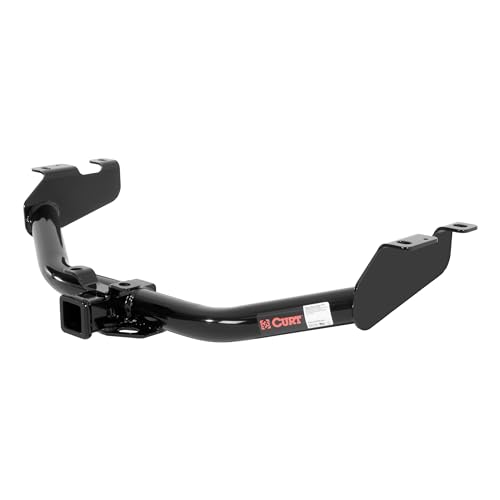
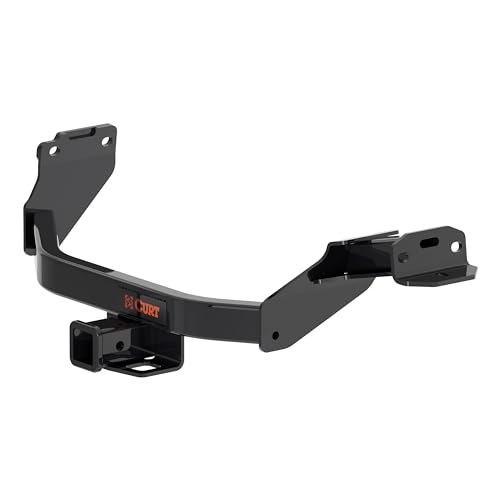
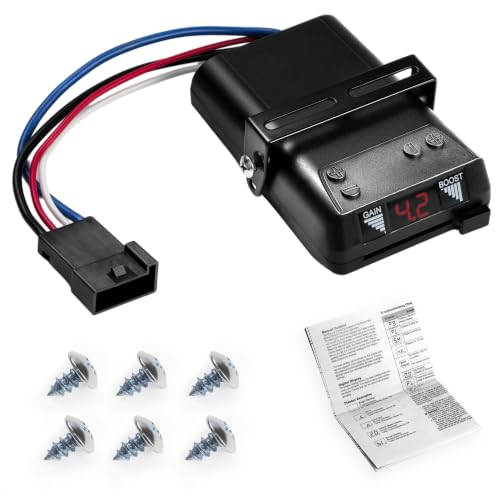
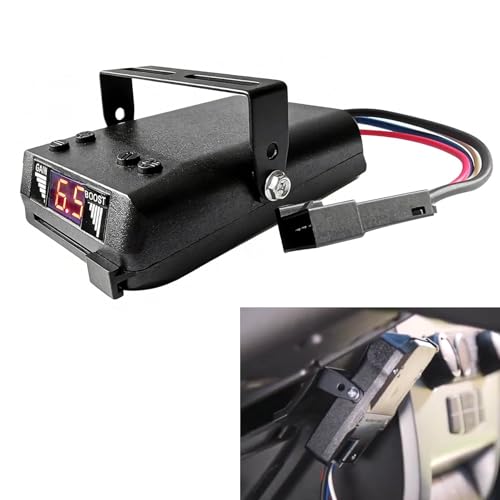
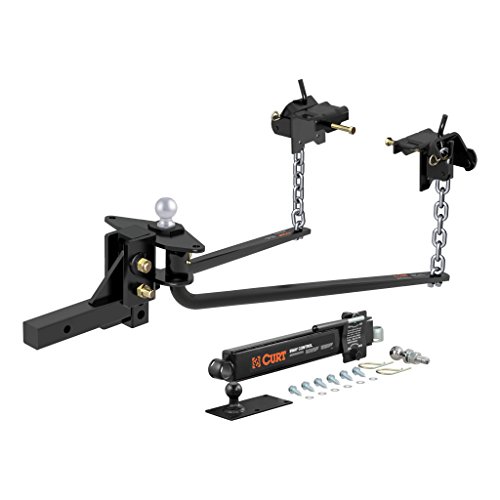
For a 7,000-lb trailer, the gear that matters most is a Class 3 receiver hitch, a brake controller, a weight-distribution hitch and hitch and coupler locks.
Class 3 Receiver Hitch
A bolt-on Class 3 hitch with a 2 inch receiver is the minimum here; its label must cover 7,000 lbs and a 1,050-lb tongue load.

Trailer Brake Controller
Skip it only if your trim has an integrated controller; otherwise a proportional unit is the first thing to add for trailers up to 7,000 lbs.

Weight-Distribution Hitch With Sway Control
Near the 7,000-lb maximum, a weight-distributing hitch moves part of the 700–1,050-lb tongue load back to the front axle so steering and braking stay normal.


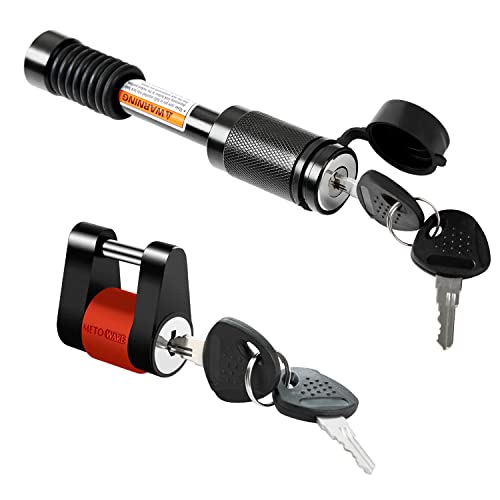
Hitch and Coupler Locks
Lock the coupler whenever the trailer is parked, and pin the ball mount so neither can be taken.


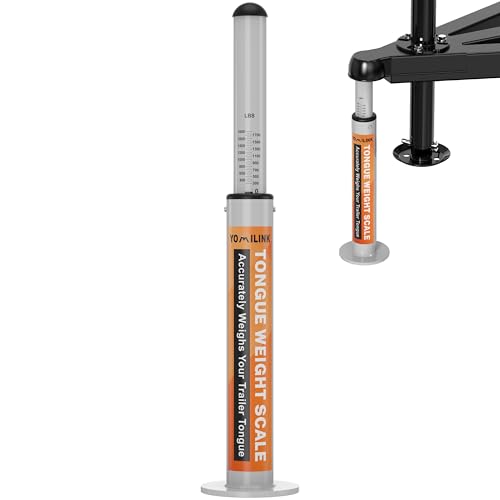
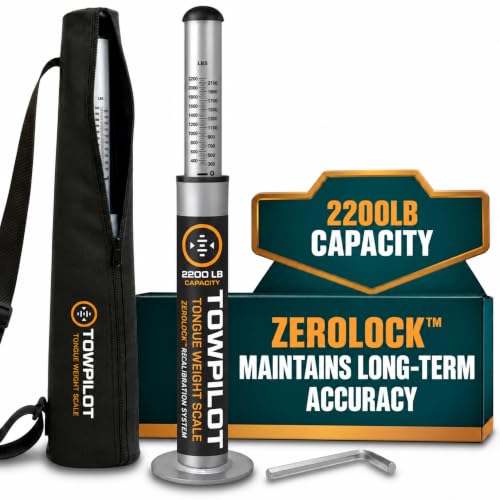
Tongue Weight Scale
Too little tongue weight causes sway and too much overloads the rear axle; a scale confirms the 700–1,050-lb window.

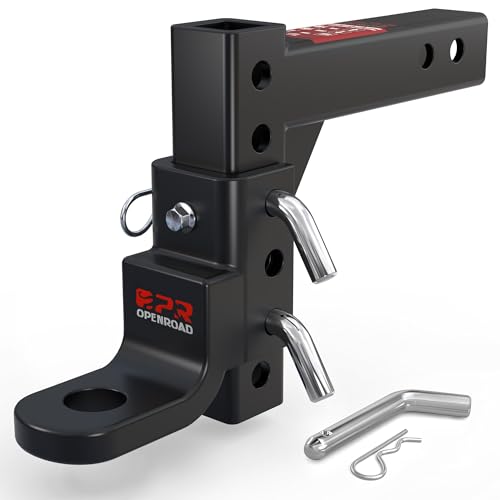
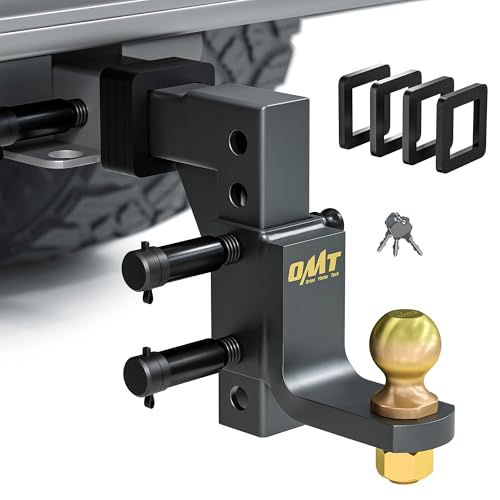
Adjustable Ball Mount
A level trailer tracks better and loads its axles evenly; measure hitch and coupler height, then choose a 2 inch mount rated past 7,000 lbs.

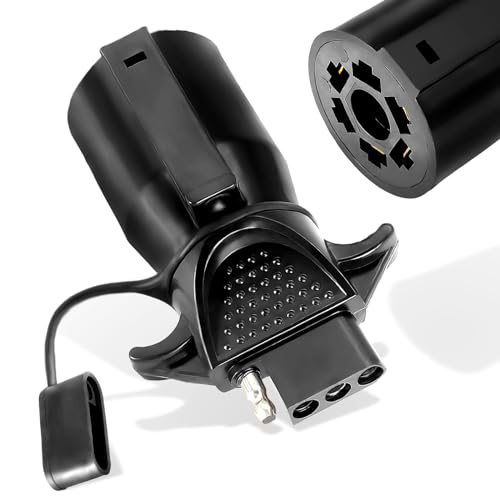
7-Pin to 4-Pin Adapter
A 7-to-4-pin adapter lets the factory 7-pin socket run the lights on a small 4-pin trailer.


Towing and Payload FAQs
How much can the 2020 Mercedes-Benz G-Class tow?
Maximum is 7,000 lbs with the 4.0L V8 turbo on the G 550 4WD. Ratings start at 6,500 lbs, so check your trim.
What is the 2020 Mercedes-Benz G-Class payload capacity?
Published payload is 1,060 lbs on every rated trim. People, cargo, and tongue weight all share that budget — use the door-jamb label.
What is the 2020 Mercedes-Benz G-Class GVWR?
Gross vehicle weight rating runs 6,614–7,055 lbs across trims — the ceiling for the loaded vehicle.
What size hitch does the 2020 Mercedes-Benz G-Class need?
Use a Class 3 hitch (2-inch opening, roughly 8,000 lbs GTW) for the 7,000 lbs cap. Figure tongue load near 700–1,050 lbs against payload.
Can a 2020 Mercedes-Benz G-Class tow a 5,000-pound trailer?
Yes. Configurations rated up to 7,000 lbs with the 4.0L V8 turbo on the G 550 4WD clear a 5,000-lb trailer with about 2,000 lbs of margin when properly equipped.
Can the 2020 Mercedes-Benz G-Class tow more than the 2019 model?
No. The 2019 model was rated up to 7,700 lbs, 700 lbs more than the 2020 Mercedes-Benz G-Class.
Where These Numbers Come From
Towing, payload, GVWR and curb weight figures are manufacturer-advertised "up to" maximums for each trim when properly equipped. A trim's figure is its best case across the engines, axle ratios and tow packages offered on it. Confirm your own vehicle's limits on the door-jamb label and in the owner's manual for your VIN.
- SAE J2807 tow-rating standard
- NHTSA vPIC VIN decoder
- 49 CFR Part 575 (consumer information)
- Hitch classes and typical trailer weights: industry receiver-hitch class charts and typical trailer-weight ranges (approximate).
Data version 2026-10; page updated November 2026.
Explore Capacities by Vehicle Make
